Due to high demand, we are not accepting new clients right now.
✆: (715) 392-6200
✉:
Due to high demand, we are not accepting new clients right now.
✆: (715) 392-6200
✉:

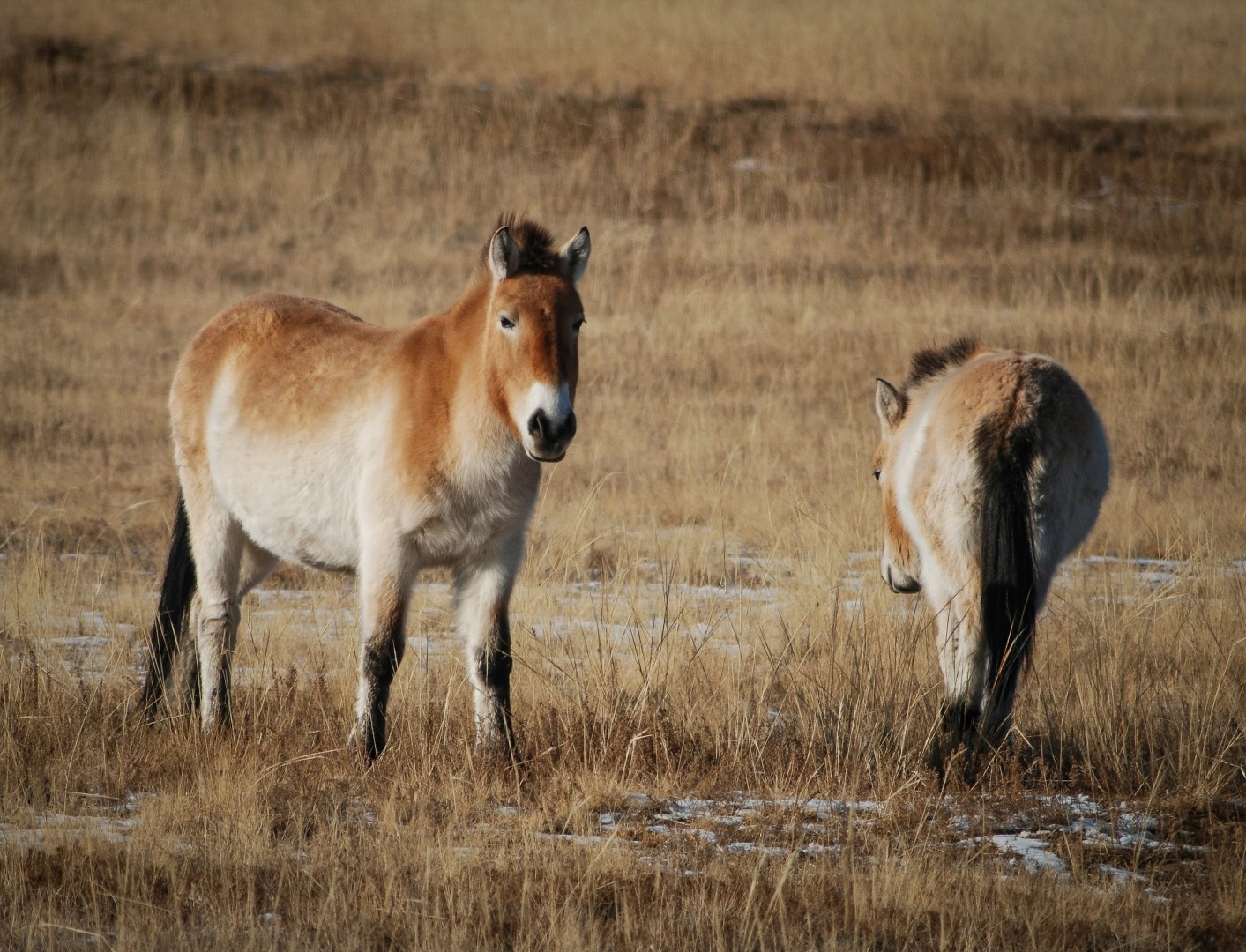
Hustai National Park is a protected grassland reserve in central Mongolia, located west of Ulaanbaatar in an area of rolling степpe, forested hills, and river valleys. The park is best known for the reintroduction of the Przewalski’s horse, known locally as takhi, a wild horse species that had disappeared from Mongolia before conservation programs returned it to the region. The landscape combines open grazing plains with patches of birch and pine forest, creating habitats for a wide range of wildlife. Hustai is managed as both a conservation area and a research site focused on ecosystem restoration and biodiversity protection.
The cultural identity of the Hustai region remains closely connected to Mongolia’s nomadic traditions. Families living near the park continue seasonal herding practices involving horses, sheep, goats, cattle, and yaks. Traditional ger camps around the park allow visitors to experience local customs such as horseback riding, dairy production, and regional cooking methods. Horses hold particular importance in Mongolian culture and are central to festivals, music, and daily transportation in rural areas. Conservation efforts within Hustai also involve cooperation with nearby herding communities, balancing wildlife protection with traditional grazing practices that have shaped the steppe landscape for generations.
Hustai National Park supports a variety of wildlife beyond the takhi population. Red deer, marmots, Mongolian gazelles, foxes, wolves, and lynx are found across the park, while birds of prey such as golden eagles and saker falcons nest in rocky and forested areas. Trails and observation points provide opportunities to watch wildlife moving across the valleys during early morning and evening hours. The Tuul River flows near parts of the reserve and supports vegetation that contrasts with the surrounding dry grasslands. Seasonal changes strongly affect the scenery, with green summer plains giving way to snow-covered hills during winter.
Food served in and around Hustai National Park reflects rural Mongolian cuisine and ingredients suited to the steppe environment. Meals commonly include mutton, beef, noodles, dumplings, and dairy products such as yogurt, dried curds, and fermented mare’s milk known as airag. Ger camps often prepare food using traditional cooking methods designed for portable nomadic living. Visitors may also encounter local customs involving horse training and archery demonstrations. Night skies around the park are especially clear because of the low population density and limited artificial lighting, making the area well known for stargazing alongside wildlife observation.