
Due to high demand, we are not accepting new clients right now.
✆: (715) 392-6200
✉:
Due to high demand, we are not accepting new clients right now.
✆: (715) 392-6200
✉:

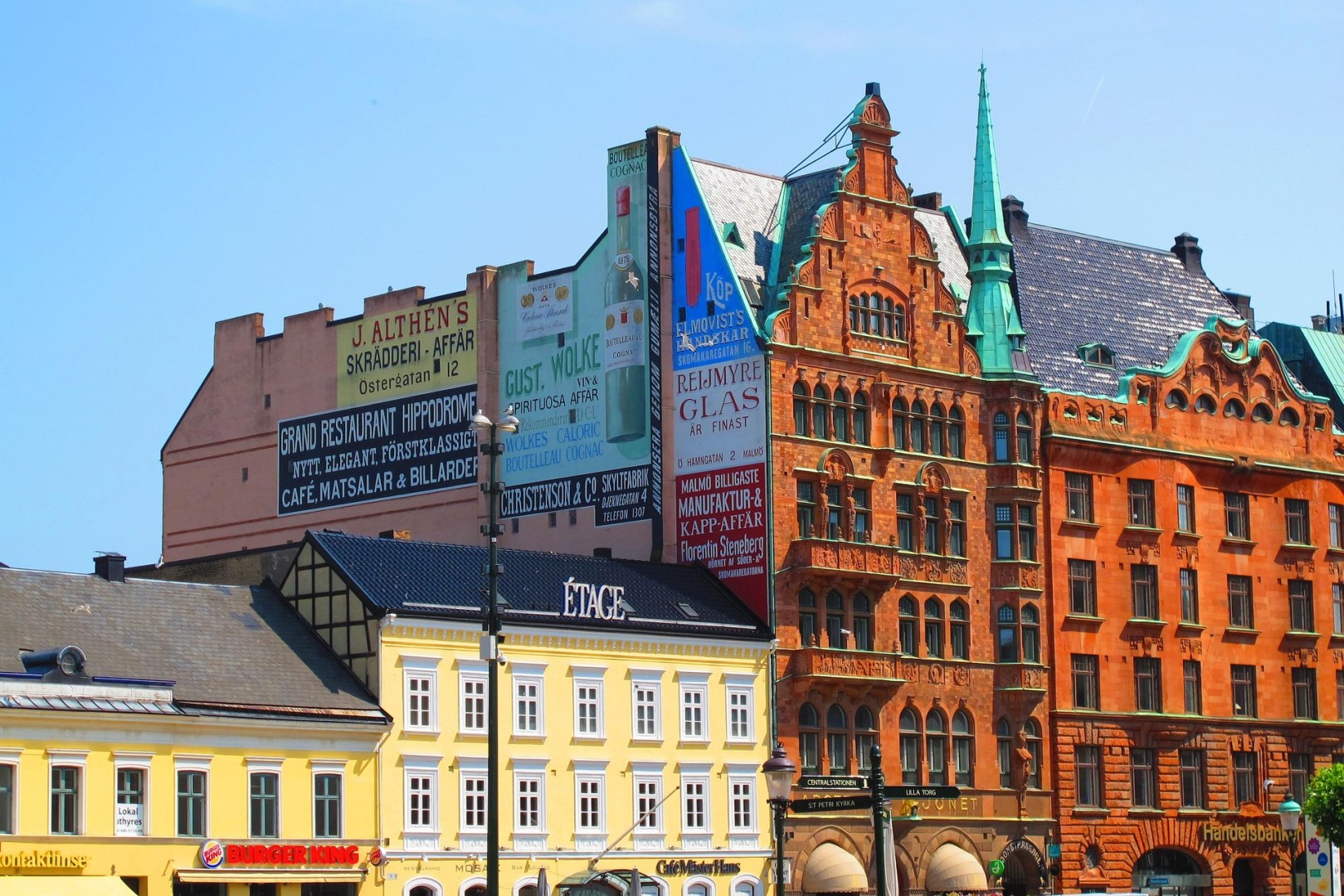
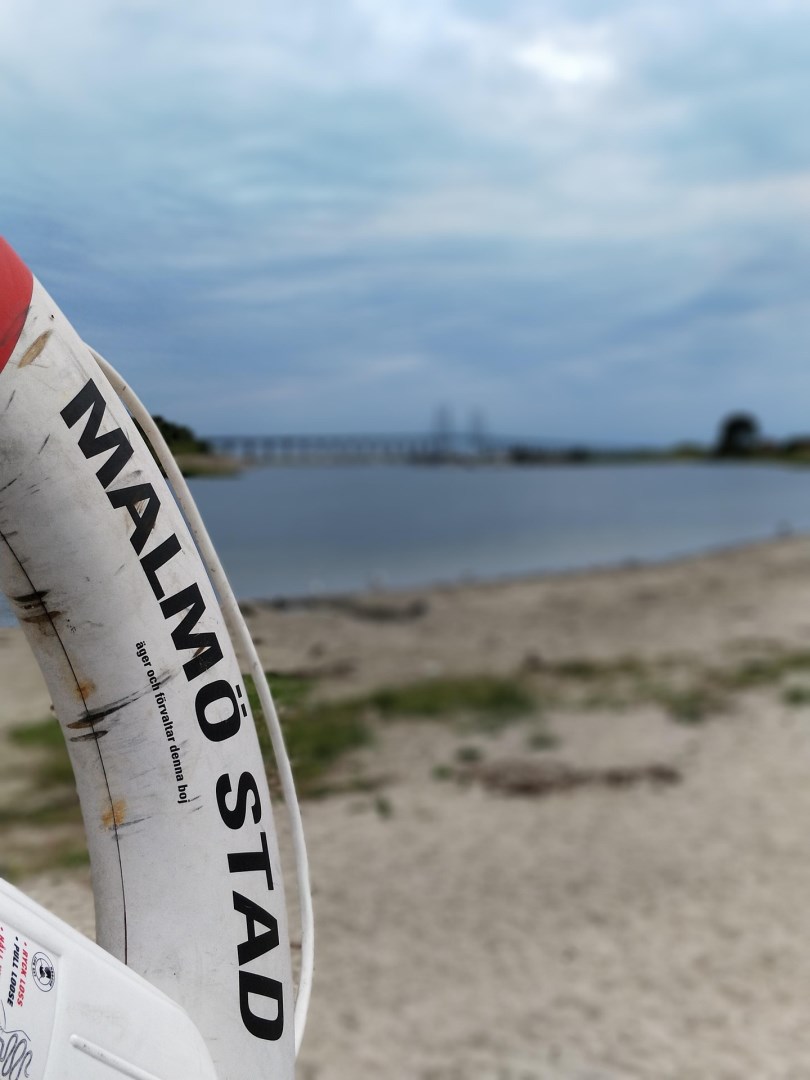

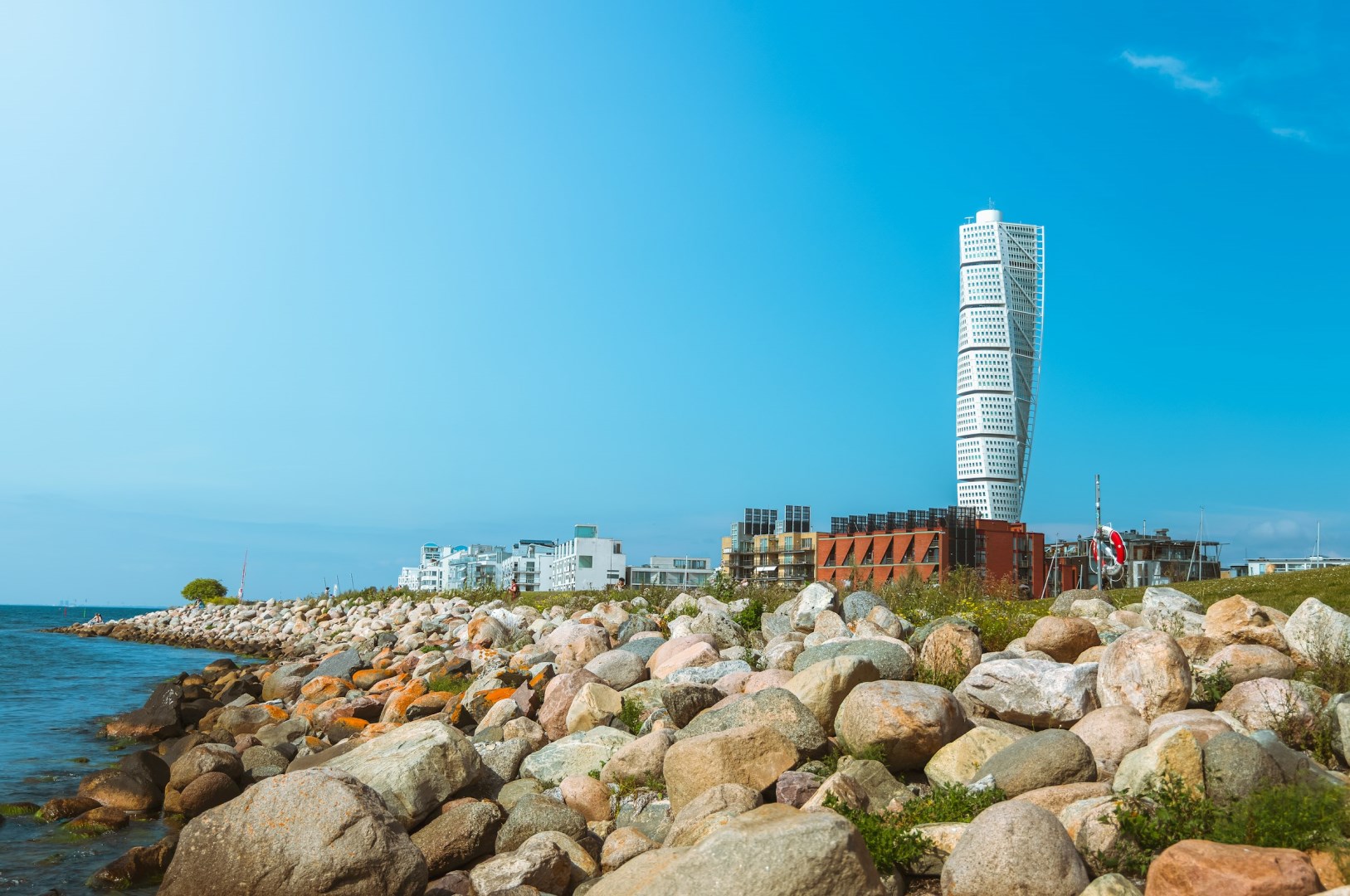
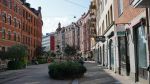
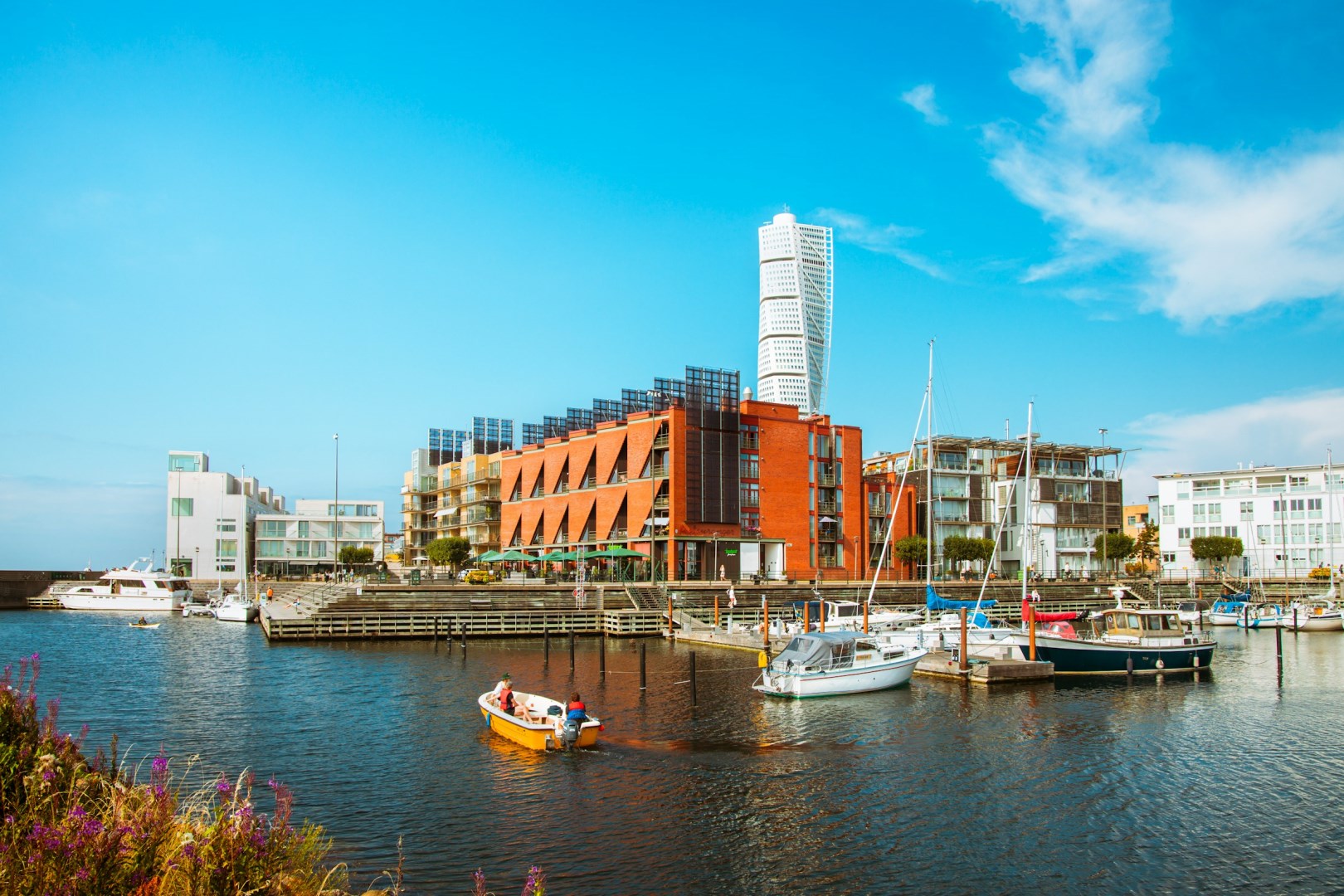


Malmö is Sweden’s third-largest city, located in the southern province of Skåne beside the Öresund Strait. Its position opposite Copenhagen has made it an important port, trading center, and meeting place, while the city today combines historic neighborhoods with modern architecture and extensive parks. The old center contains cobbled squares, half-timbered buildings, and canals, while newer districts extend toward the waterfront. Västra Hamnen is particularly distinctive, with the 190-meter Turning Torso overlooking the sea and the Öresund Bridge visible across the strait toward Denmark.
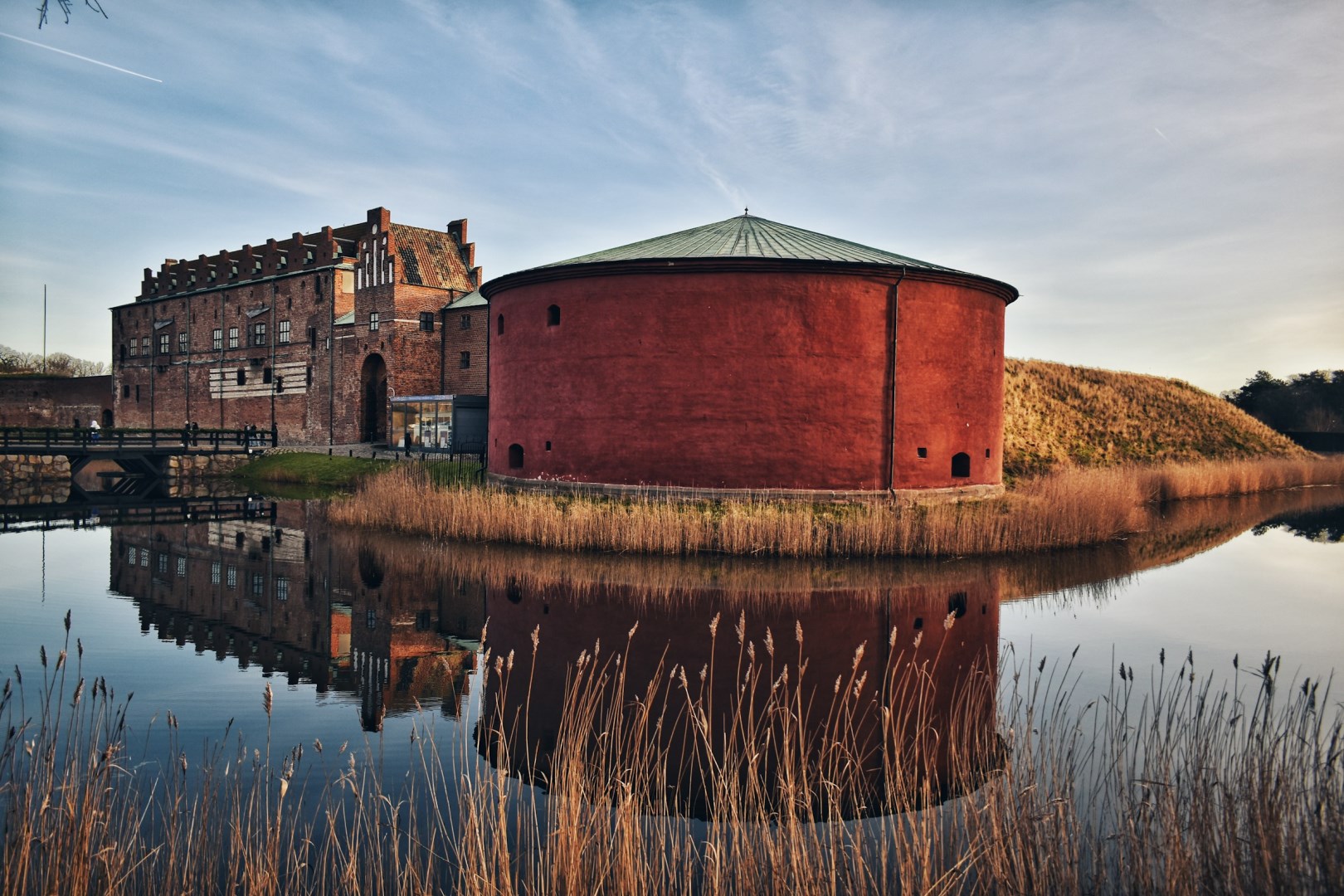
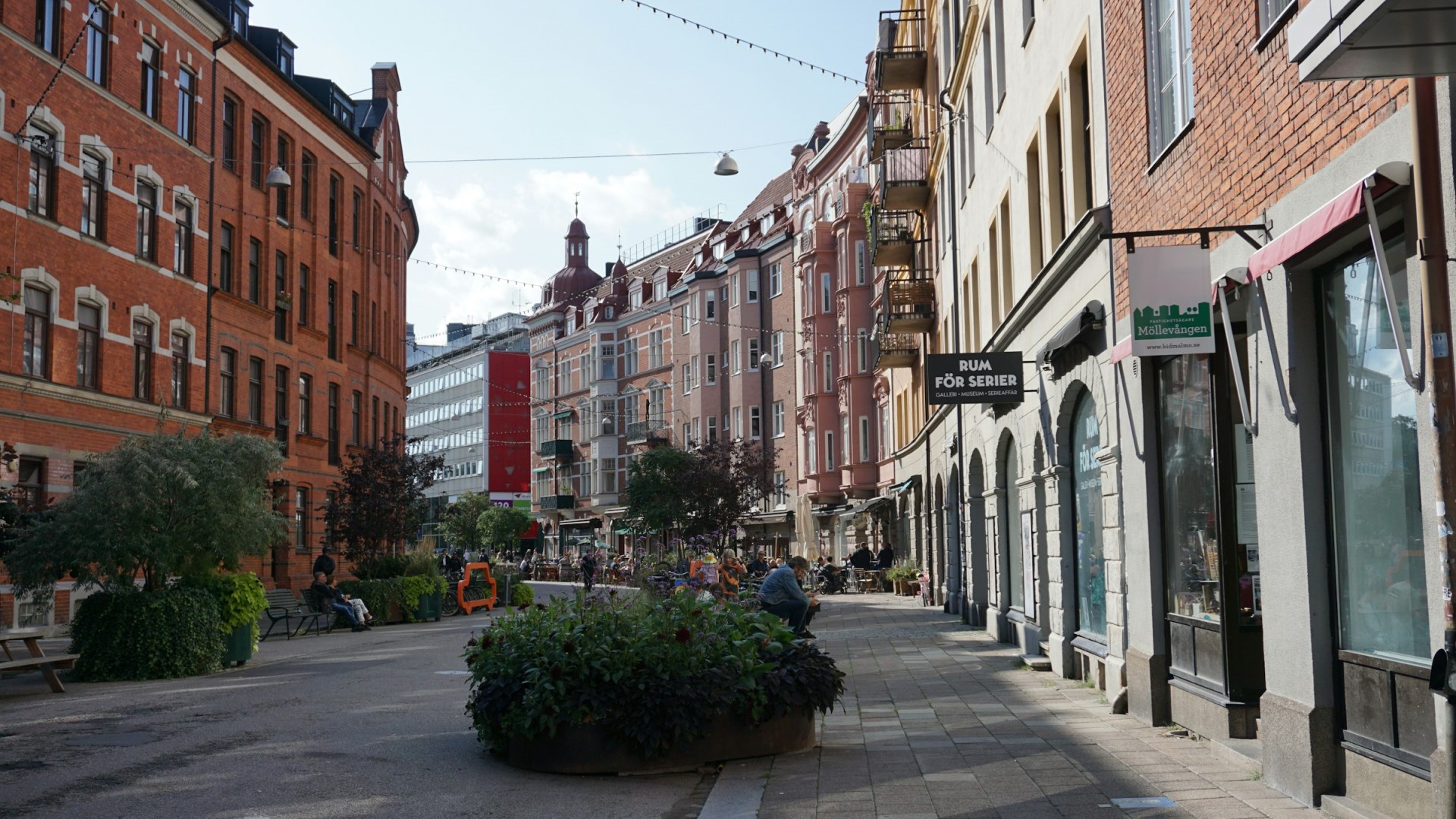
Malmö’s history is reflected in landmarks such as Malmöhus Castle, a former fortress that now houses several museums, and St. Peter’s Church, the city’s oldest building. Lilla Torg and Stortorget form the heart of the historic center, surrounded by traditional buildings and former merchant houses. The Möllevången district offers a different perspective, with a large daily market and restaurants representing many of the communities that have made Malmö one of Sweden’s most culturally diverse cities. Modern cultural institutions include Malmö Konsthall and the Malmö Live concert hall.
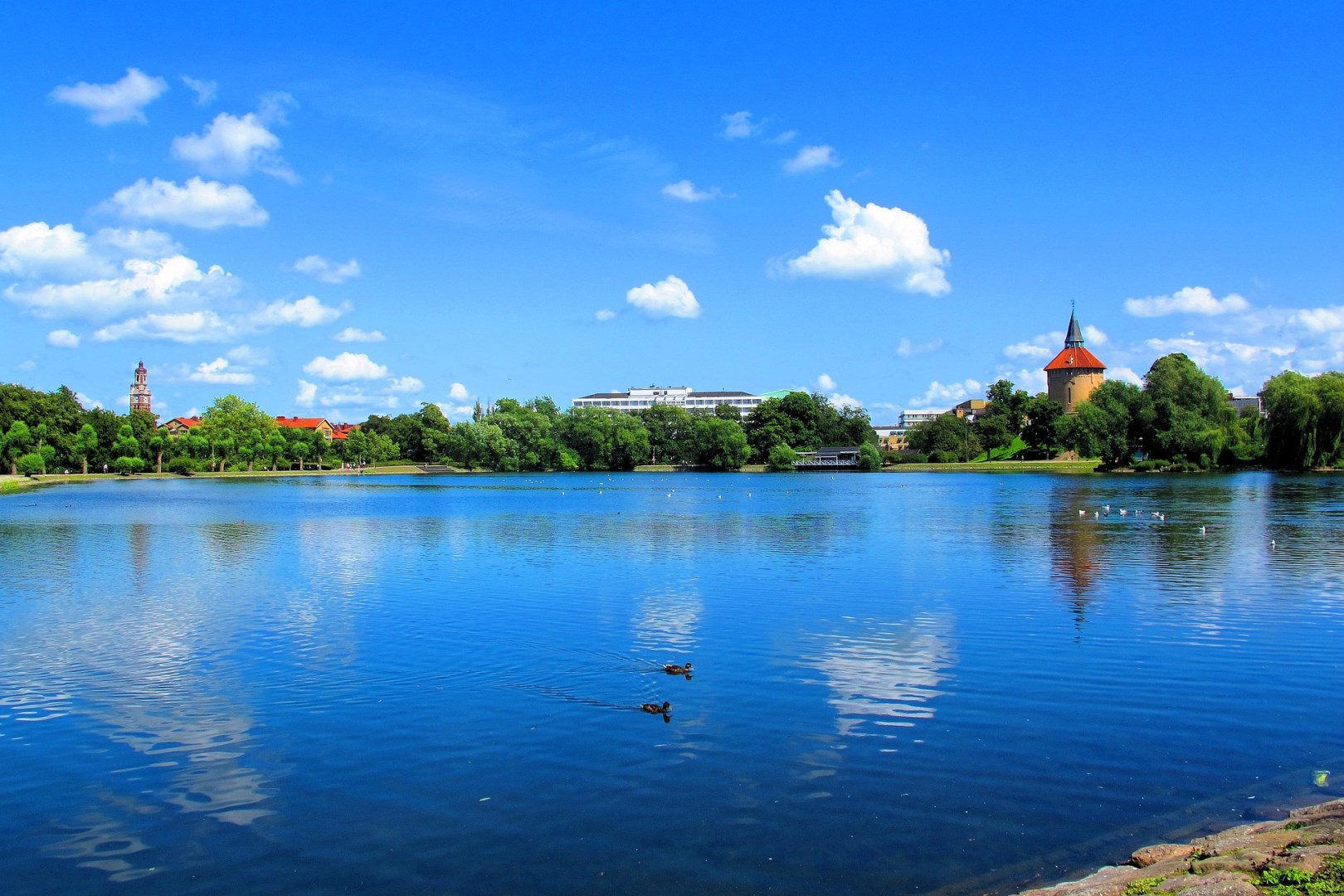
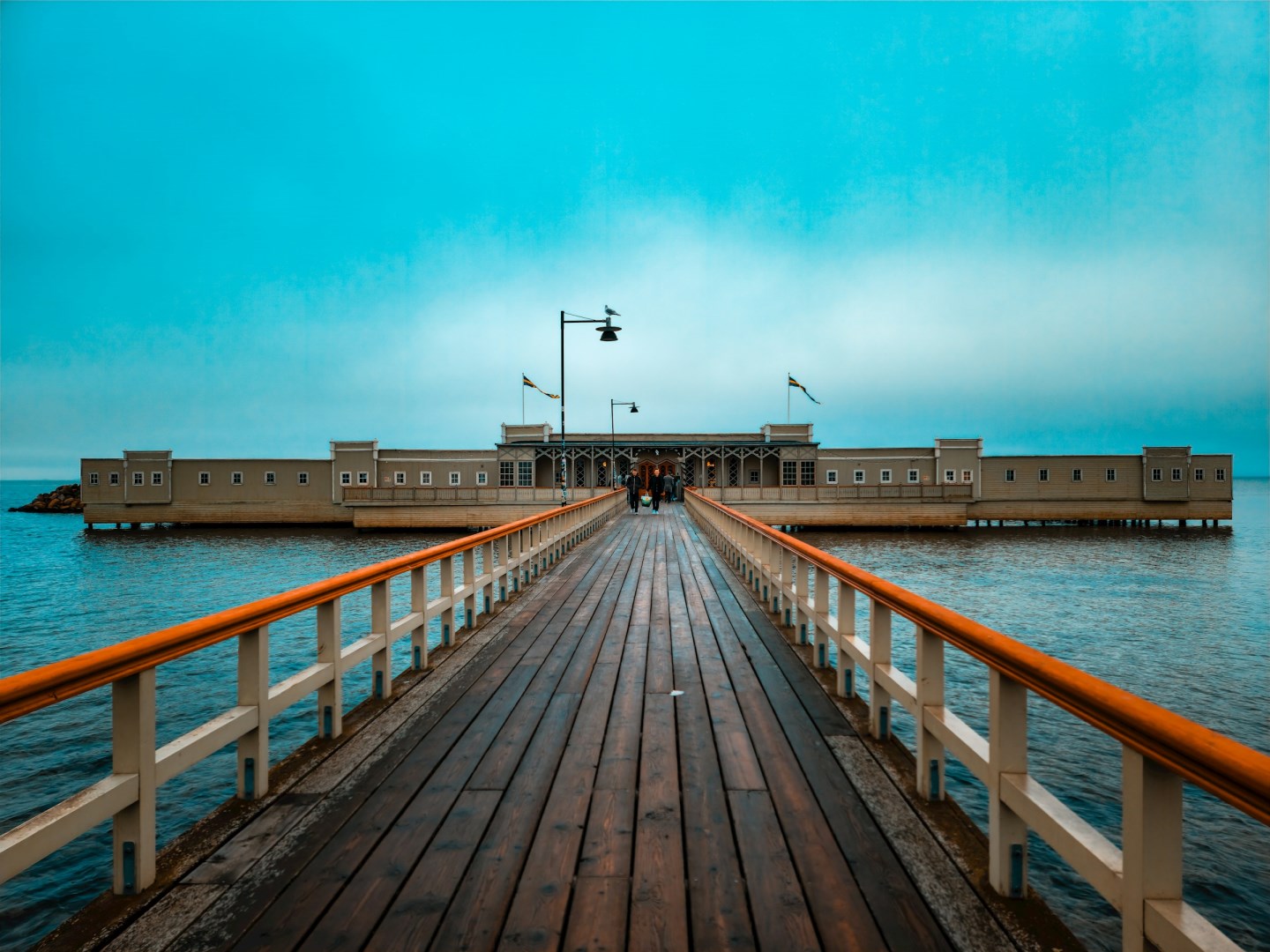
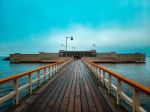
The city has numerous green and coastal spaces. Ribersborg Beach stretches along the Öresund and includes the historic Ribersborg open-air bathhouse, while Kungsparken, Slottsparken, and Pildammsparken provide walking paths, lawns, ponds, and wooded areas within the urban landscape. Folkets Park, Sweden’s oldest public amusement park, combines gardens with recreational and cultural facilities. Beyond the city, the beech forests around Torup Castle offer walking trails and a more rural setting. The Öresund Bridge is another defining landmark, carrying both road and rail traffic between Sweden and Denmark across the strait.
Malmö has a notably varied food culture, ranging from traditional Swedish cooking and Nordic cuisine to restaurants specializing in food from communities around the world. Möllevångstorget is particularly associated with fresh produce and international food shops, while Malmö Saluhall brings together restaurants, bakeries, and specialty food producers under one roof. Seafood is also prominent because of the city’s coastal location. A distinctive feature of Malmö is the close proximity of different architectural periods: medieval churches and half-timbered houses stand within walking distance of industrial-era buildings, contemporary cultural venues, and modern landmarks such as Turning Torso.

